DALLAS
FENCING CONTRACTORS
DALLAS fence EXPERTS
We combine expertise, experience, talent, and attention to detail while designing and constructing fences. Our proficiency in fence building depends on our comprehension of fence-specific construction techniques, such as appropriate post-setting and excavation techniques, precise measuring and layout techniques, safe rail and picket attachment, and efficient gate installation.
HIRING AN INSURED FENCING CONTRACTOR
In addition to giving you piece of mind and financial stability, hiring a fence contractor with insurance ensures that the contractor is accountable and dedicated to producing high-quality work that complies with safety regulations. It is advisable to get insurance confirmation and to check the coverage by getting in touch with the insurance provider directly before working with any contractor.
HIRING AN INSURED FENCING CONTRACTOR
We offer a free estimate since it helps you comprehend the project's cost, makes planning, comparison, and decision-making easier, facilitates negotiation, and helps you avoid unpleasant surprises. When choosing a contractor and starting your fence project, this is a crucial stage.

MEETING DALLAS NEEDS FOR FENCING
FENCES CAN BE CONSTRUCTED USING A VARIETY OF MATERIALS, EACH WITH ITS OWN SET OF ADVANTAGES AND CHARACTERISTICS. HERE ARE SOME COMMON TYPES OF MATERIALS USED FOR FENCES:
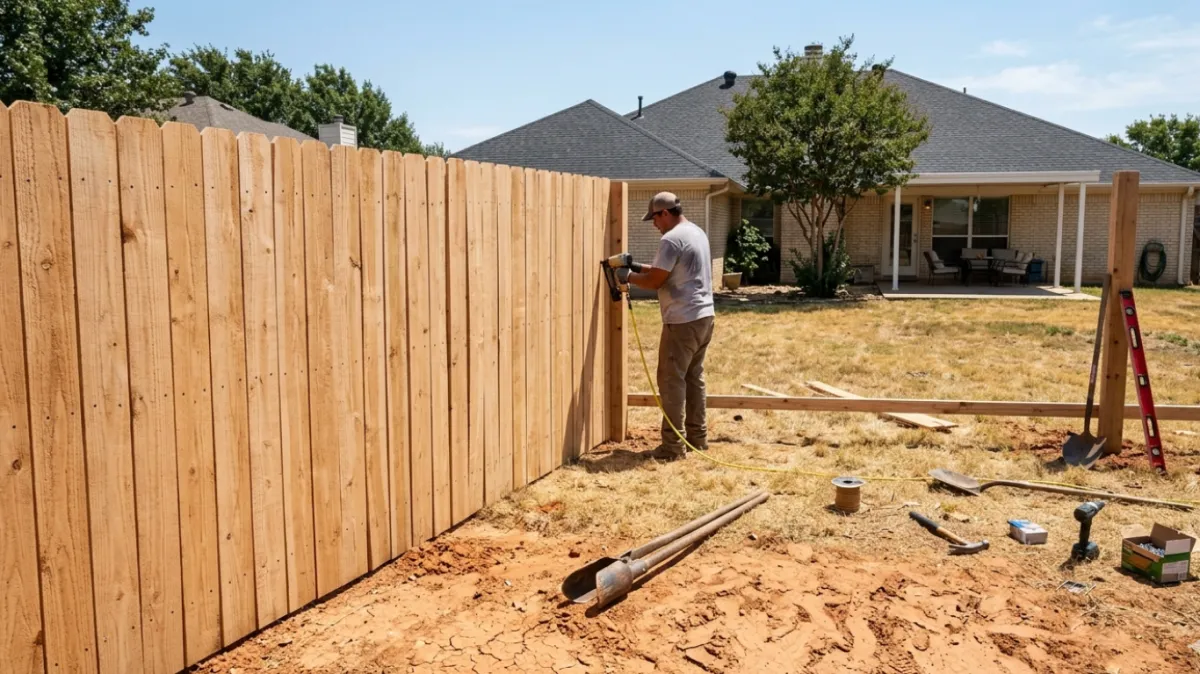
Wood's natural beauty and adaptability make it a popular choice for fence. Redwood, pine, spruce, and cedar are common varieties. Wood fences can be made to your specifications in terms of height and style, and they can offer both security and seclusion.
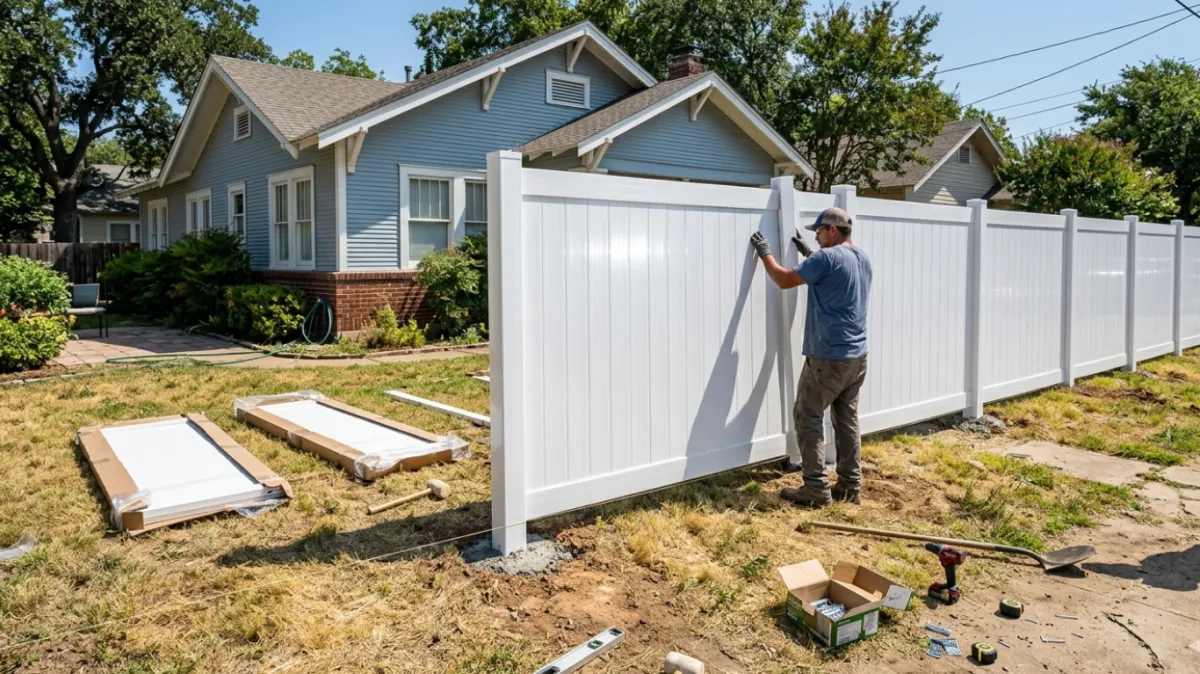
Vinyl fences are renowned for being long-lasting, low-maintenance, and impervious to rust, decay, and insects. They come in a variety of designs, hues, and textures. Vinyl fences are an excellent choice for homeowners seeking a low-maintenance solution because they don't need to be painted or stained.
Steel, aluminum, and wrought iron fences are examples of metal fences that are robust and provide a great degree of security. While wrought iron is prized for its attractive and ornamental designs, steel and aluminum are frequently selected for their durability. For both residential and commercial sites, these fences offer a durable and adaptable option.
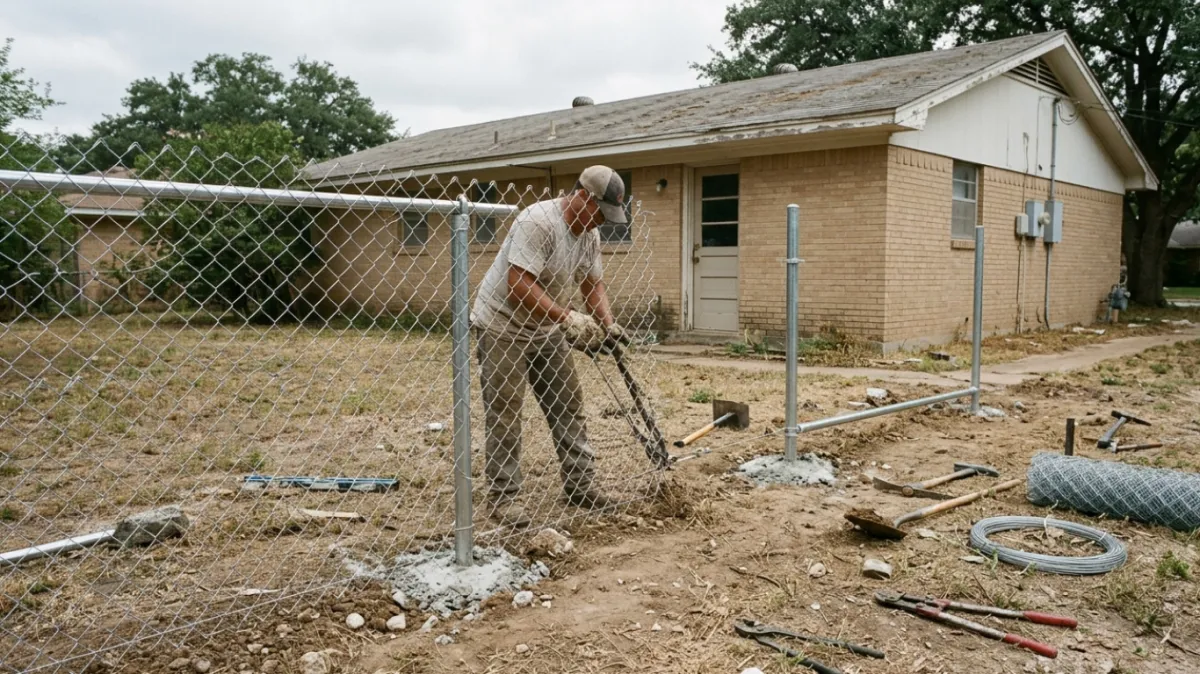
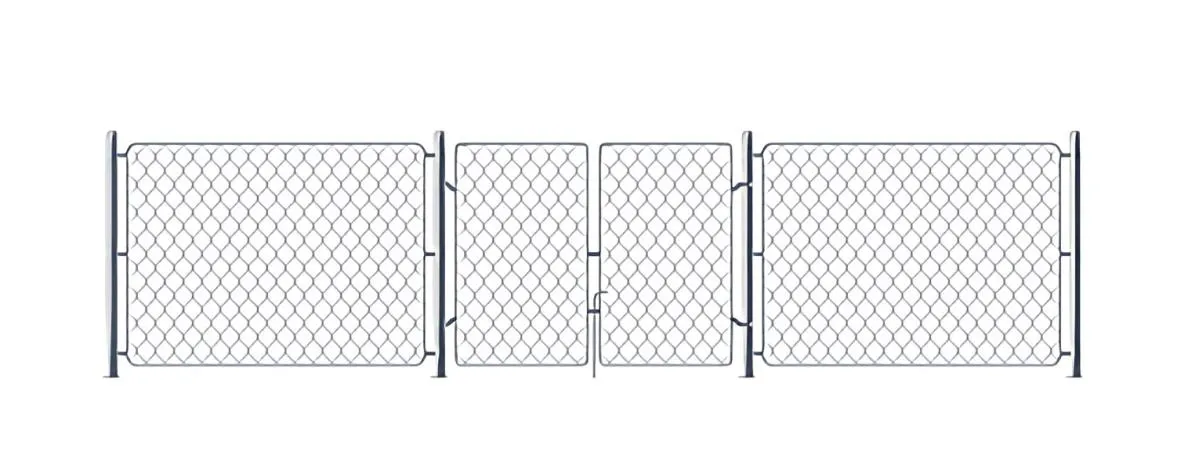
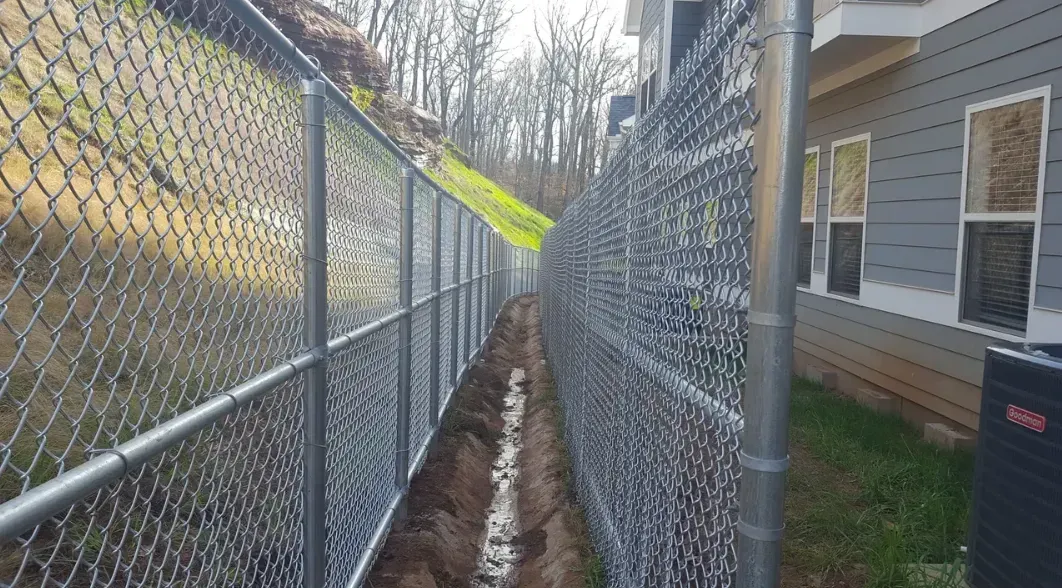
Made from interlaced galvanized steel wires, chain link fences are useful and reasonably priced. They are frequently used to enclose areas like backyards or sports fields, define borders, and provide security. Vinyl can also be used to chain link fences to enhance their appearance and add color.
OBTAINING A PERMIT FOR A FENCE
Start by researching local restrictions before constructing a fence. To find out if you require a permit and to learn about any applicable laws or restrictions, get in touch with your local building authority, zoning agency, or municipal office. They can provide you with the precise specifications for your area.
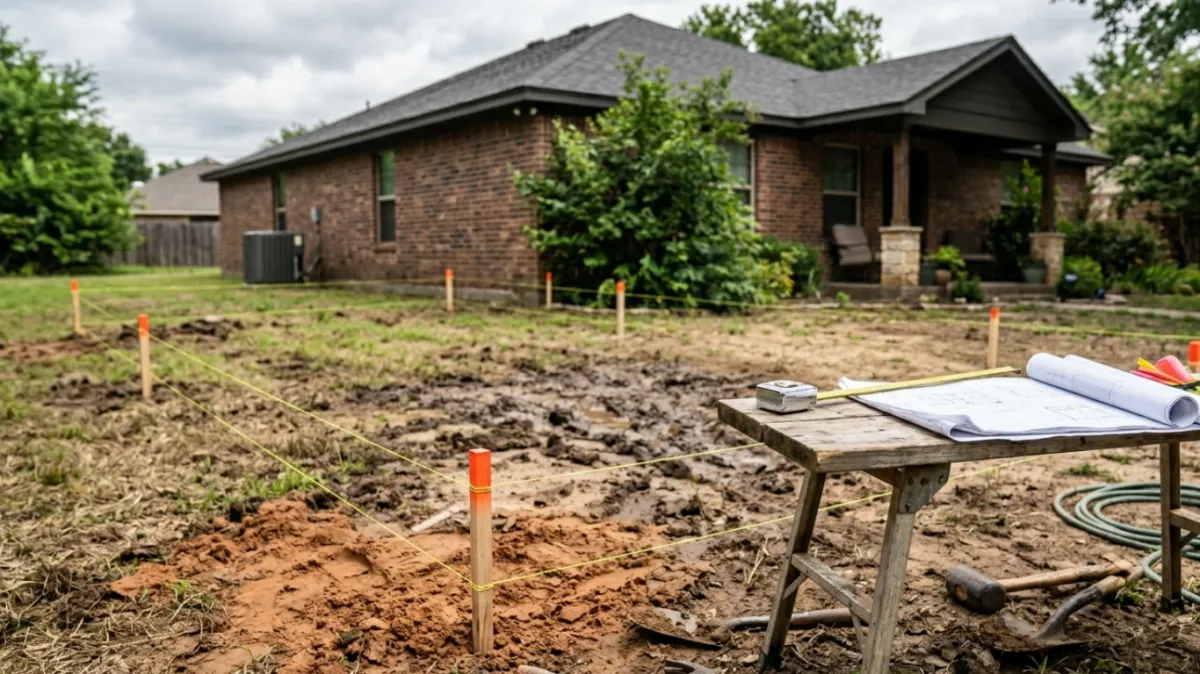
Before building starts, it's critical to determine the precise location of your property lines. To ensure that your fence is built completely on your property and does not infringe on adjacent land or public space, you might need to employ a surveyor to mark the limits.
Make sure your fence design complies with local regulations by carefully considering the materials, height, and arrangement. Fences in front yards, backyards, or close to roads and crossroads are subject to specific regulations in some places.
Apply for a permit from the appropriate municipal government once your plans are complete. This often include giving information about the land, fence measurements, building materials, and construction techniques. A site plan that shows the precise location of the fence may also be required.
The cost of a permit application can vary based on the project's size and location. The amount and method of payment will be communicated to you by your local government.
Following submission, your application will be reviewed to make sure your plans adhere to all zoning and legal requirements. A few days to several weeks may pass before clearance is granted.
The permit document will be sent to you upon approval. During construction, keep it on site in case officials or inspectors need to see it. Make sure you adhere to any building rules and your approved designs.
After the fence is finished, there could occasionally be a final inspection. Schedule this with the relevant department if necessary. You will get official final permission once your fence passes inspection.
CHOOSING A FENCE MATERIAL
A number of variables should be taken into account when selecting the appropriate fence material for your property. To assist you in making an informed choice, examine the following important factors.
Function and Purpose: Identify the fence's main objective. Are you trying to add aesthetic appeal, protect children or pets, establish a barrier, improve privacy, or give security? Knowing the primary purpose will help you choose the right material.
Style and Aesthetics: Consider the architectural style of your property and the overall aesthetic you want to achieve. Different materials offer varying looks, from the natural and rustic appearance of wood to the sleek and modern look of metal or vinyl. Choose a material that complements the style and character of your home and surrounding landscape.
Durability and Maintenance: Assess the level of maintenance you are willing to undertake and the durability required for your fence. Some materials, like vinyl or aluminum, are low-maintenance and resistant to rot, insects, and weathering. Wood fences, while visually appealing, often require more maintenance, such as staining or painting, and may be susceptible to rot or insect damage over time.
Climate Considerations: Take into account the climate and weather conditions in your area. For example, if you live in a region with high humidity or frequent rainfall, you might want to choose a material that is resistant to moisture and decay. In areas with strong winds or extreme temperatures, selecting a sturdy and weather-resistant material becomes crucial.
Privacy and Security: Determine the level of privacy and security you require. Solid materials like wood, vinyl, or composite offer better privacy, while chain link or wrought iron may prioritize security with a clear view of the surroundings. Some materials can be combined to create a balance between privacy and visibility.
Budget: Set a budget for your fence project. Different materials vary in cost, with some options being more affordable than others. Consider not only the upfront cost of materials but also long-term expenses associated with maintenance and repairs.
Local Regulations: Understand any local regulations, HOA (Homeowners Association) guidelines, or neighborhood covenants that may dictate the type of materials allowed, fence height restrictions, or design limitations. Ensure that your chosen material complies with these regulations.
Environmental Impact: If environmental sustainability is important to you, explore eco-friendly options. Materials like bamboo, composite, or reclaimed wood can be more environmentally friendly choices compared to materials that require significant resources or have a larger carbon footprint.
CHOOSING A FENCE DESIGN
When it comes to choosing a fence design, there are many styles to suit different purposes, preferences, and home aesthetics. Your ideal design will depend on your personal style, the fence’s primary function, your home’s architecture, and any local regulations or restrictions. Below are some popular options to consider:
Solid Panel Fences
These feature continuous panels that provide maximum privacy and security. Available in materials such as wood, vinyl, or composite, solid panel fences can be customized in height and enhanced with decorative elements or embellishments.
Picket Fences
A timeless favorite, picket fences are made of evenly spaced vertical boards (pickets) attached to horizontal rails. Typically crafted from wood or vinyl, they offer a classic, traditional look. They can be short for decorative purposes or taller for added boundary definition.
Lattice Fences
Built with crisscrossed panels forming diamond-shaped openings, lattice fences offer partial privacy while allowing light and air flow. They add visual interest and work beautifully as a backdrop for climbing plants.
Shadow Box Fences
This design alternates panels on either side of the rails, providing privacy with the benefit of air circulation and a visually appealing look from both sides.
Horizontal Slat Fences
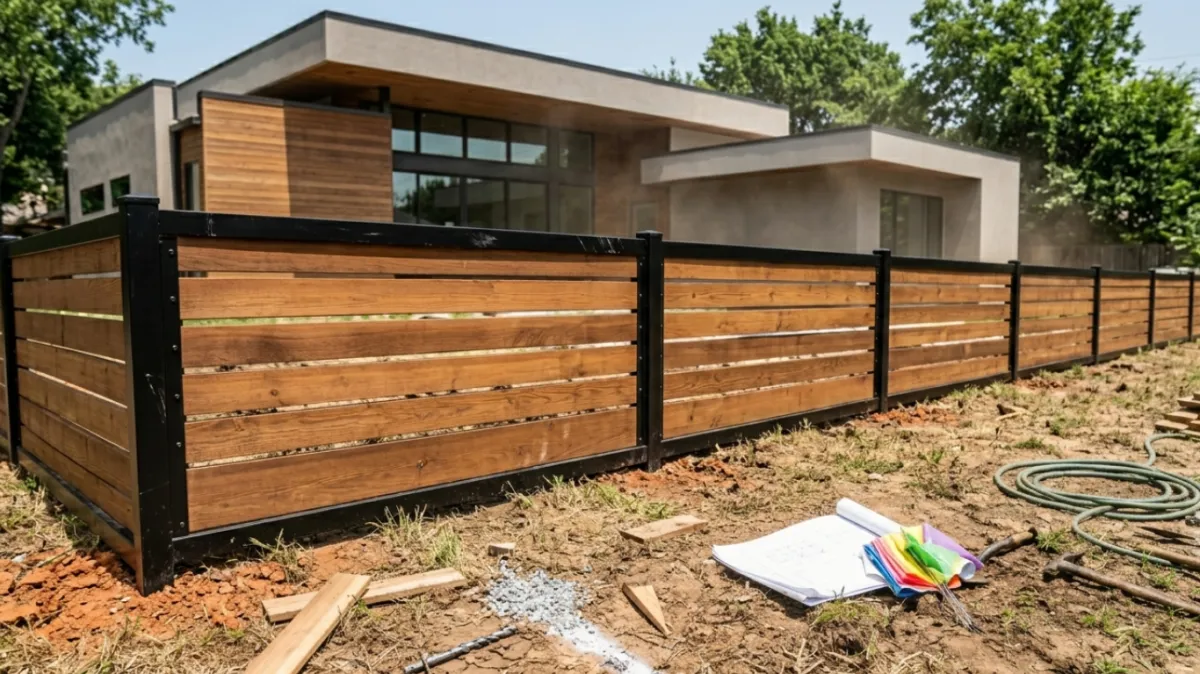
Featuring boards or slats arranged horizontally, these fences create a modern, contemporary appearance. Available in wood, composite, or metal, they bring a sleek, minimalist aesthetic.
Wrought Iron Fences
Known for their ornate and decorative appeal, wrought iron fences often feature scrolls, finials, or intricate patterns. They can be custom-made to complement your home’s architecture and are especially suited for historic or elegant properties.
Farmhouse or Rustic Fences
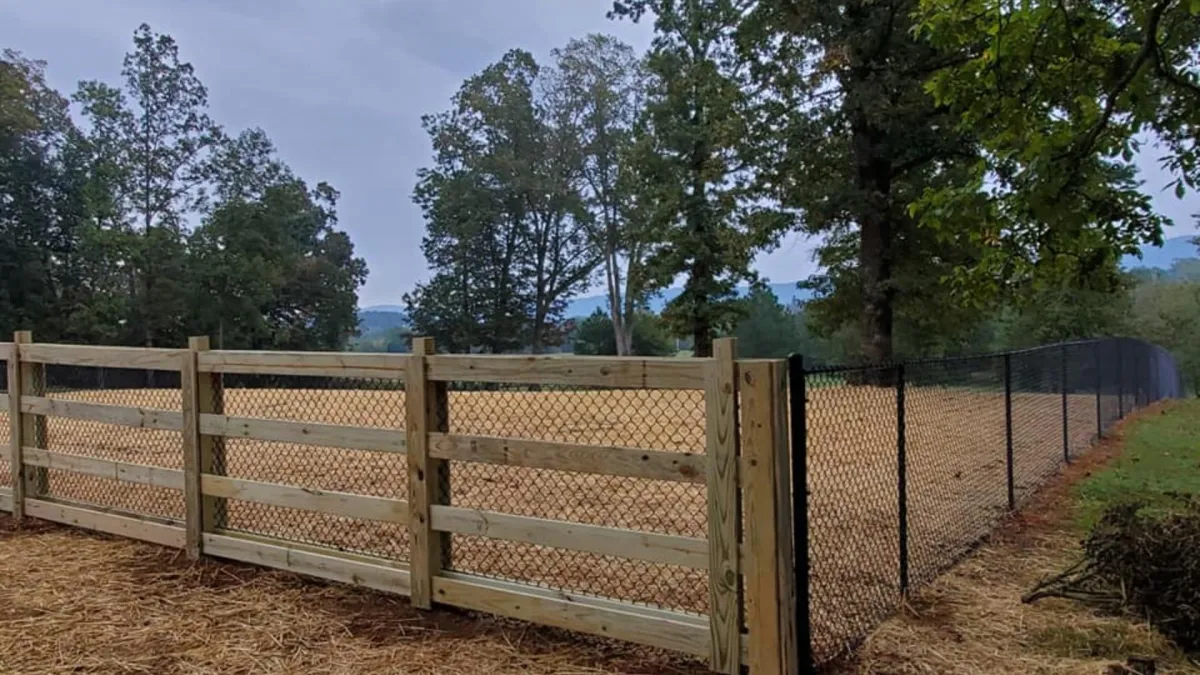
Commonly built with wooden rails and posts—often combined with wire mesh or pickets—this style pairs well with rural or country-style homes, offering a charming, traditional feel.
Modern or Minimalist Fences
With clean lines, geometric shapes, and a focus on simplicity, these designs often incorporate materials like metal, aluminum, or composite to achieve a contemporary look.
REMOVAL OF EXISTING FENCING
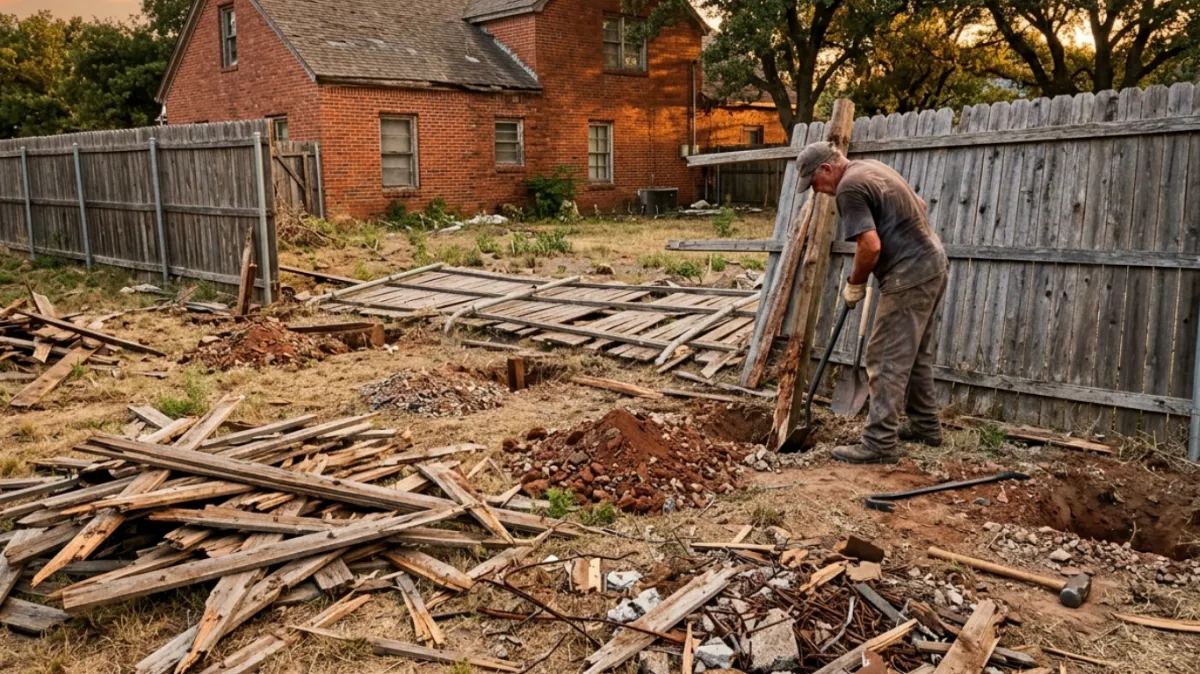
We can handle the safe and efficient removal of existing fencing, taking into account the type of fence, its size, materials, and any specific circumstances. Before beginning, we clear away any obstacles or debris surrounding the fence to ensure a safe and accessible workspace, bringing all the necessary tools and equipment for the job.
If the fence is connected to utility lines such as electrical or irrigation systems, we will safely disconnect them before proceeding. This can include shutting off power or water to the affected areas. The process then involves disassembling the fence and removing the posts, which may require excavating the soil with a shovel or post hole digger, or cutting the posts at ground level.
As each component is removed, we separate the materials for proper disposal or recycling. Depending on local regulations, you may need to arrange waste collection or take the materials to an approved recycling facility. We also make sure to collect any remaining nails, screws, or small debris to eliminate potential hazards. Finally, once the fence is completely removed, we restore the site’s appearance by leveling the ground where the fence once stood.
REPLACEMENT VS. REPAIR
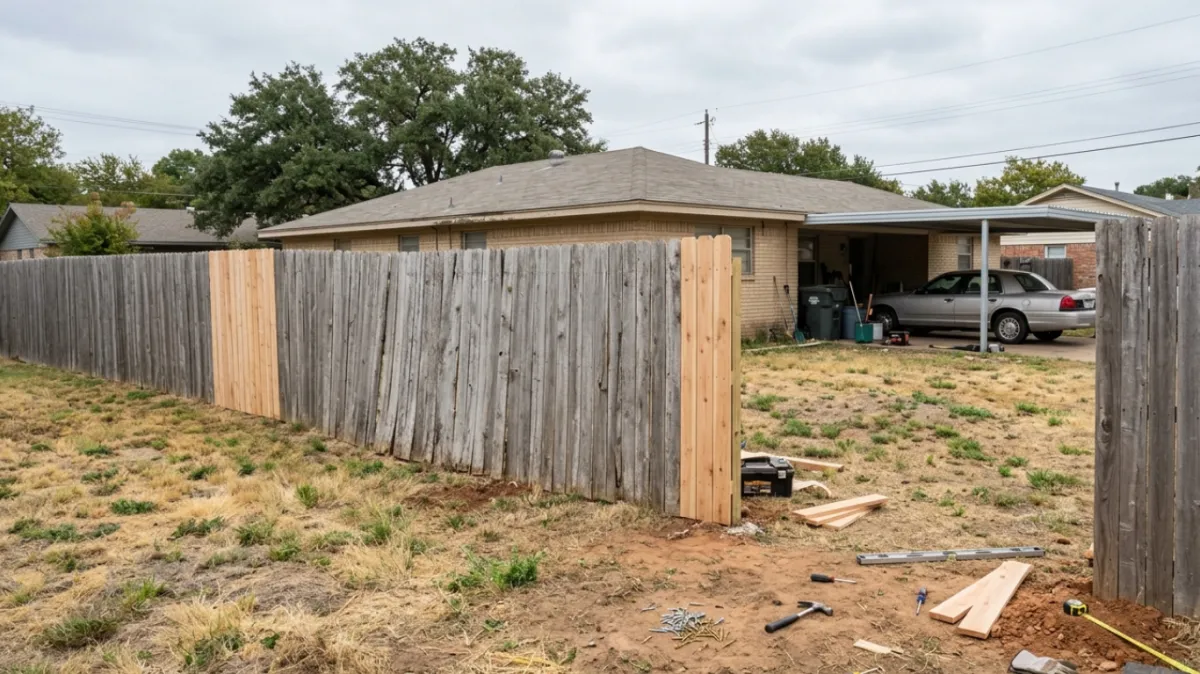
It's important to remember that every fence situation is unique, and whether to replace or repair a fence depends on your preferences, financial situation, and specifics. Calculate the extent of the damage to your fence. Minor issues like loose boards, broken pickets, or small holes can often be fixed without replacing the entire fence. However, if the damage is severe, extensive, or structural in nature, replacing the fence may be more prudent and cost-effective. Consider the age and general condition of the fence. If your fence is old, deteriorating, or showing signs of severe wear and tear, fixing individual fence components might only be a temporary fix. Compare the maintenance requirements of your existing fence with those of a new one.
SECURING YOUR PROPERTY WITH FENCING
There are several ways that installing a fence on your property can greatly increase security. It first creates a distinct boundary around your land by acting as a physical barrier. Additionally, a fence gives you control over access points, enabling you to install locks, gates, and other security measures to limit access to specific regions. This facilitates keeping an eye on and controlling who enters your property.
Privacy-focused designs, such as tall or solid panel fences, can block outsiders from easily viewing your property and activities. Additionally, a well-maintained, visible fence can act as a deterrent to potential intruders by signaling a secure and cared-for environment.
A fence also defines your property’s perimeter, creating a safe and enclosed space for children and pets to play without the risk of wandering off or encountering hazards. In this way, a fence not only enhances security but also contributes to safety and peace of mind.
INCREASING YOUR PROPERTY VALUE AND CURB APPEAL
Your home's architectural style, your desired overall design aesthetic, and how well the fence complements your landscaping should all be taken into account when selecting a fence for curb appeal. It is essential to choose a fence material, color, and style that enhances your home's overall curb appeal and blends well with its current characteristics.
EXCEPTIONAL CUSTOMER SERVICE GUARANTEED
As your next concrete contractor, we want to gain your trust and surpass your expectations by consistently delivering outstanding customer service. Our staff members are trained to respond to questions, manage issues, suggest necessary services, ensure the security of people and property, provide an accurate cost for upkeep or new installations, and notify you when our team will be arriving.
REQUESTING A FREE ESTIMATE
For any of our fencing services in Dallas, get a free estimate right now. The needs of townhouses, condos, and single- and multi-family homes are all understood by our team of experts. We are always accessible to help with the demands of both modern and older residences as well as the construction of new ones.
FENCING CONTRACTOR VS. GENERAL CONTRACTOR
Choosing a fence specialist instead of a general contractor provides major benefits for projects focused on fencing. Our team of experts specializes exclusively in the design, installation, and repair of fences, along with having extensive knowledge of various materials, styles, and installation methods. This level of specialization allows us to offer precise guidance, make well-informed suggestions, and deliver top-tier quality and craftsmanship for every job.
We are thoroughly familiar with local regulations, zoning laws, and permit processes related to fence installation, ensuring your project complies with all requirements. This helps you avoid potential issues or penalties that can result from improper installation.
Additionally, we create customized solutions based on your specific needs and preferences. Our efficient approach to both installation and repairs is designed to limit disruptions to your property and daily activities. With access to reliable suppliers and premium fencing products, we are able to recommend and provide materials that meet your expectations for strength, appearance, and budget—making us the best choice for your next fencing contractor.
MARKING OF BOUNDARIES AND UTILITIES
Prior to building a fence, it is essential to determine the exact borders of your property. We will help ensure that a new fence is constructed within the boundaries of your property and does not encroach on adjacent homes or public spaces. Additionally, we'll notify you of any utilities that could impede our operations and develop a strategy to avoid any disruptions.
FENCE DESIGN AND CONSULTATION
Our fence experts can offer solutions that are customized to your unique needs and preferences. We will provide specific recommendations for the types, styles, and features of your fence after assessing your property and learning about your requirements. Because of our knowledge, we can offer suitable solutions that satisfy your needs in a number of areas, including cost, security, and aesthetics.
FENCE GATE INSTALLATION
We follow local rules and regulations while installing fence gates, which may include requirements for setbacks, gate height, and safety features. From planning and design to testing and fine-tuning, our fence installation experts will guarantee that your new fence gate is safe and functional.
FENCE MAINTENANCE
Just like any other outdoor feature, fences need regular upkeep to maintain their durability, performance, and visual appeal. The type of care required will vary depending on the material your fence is made from. It’s important to clean your fence consistently to remove dust, dirt, debris, and any organic buildup such as moss or algae. A soft brush, mild soap, and water work well for scrubbing the surfaces. Plan routine inspections to identify any signs of damage, including loose boards, cracked pickets, or corroded components. Also, check that fence posts remain secure and the structure stays properly aligned. Any issues should be addressed quickly to prevent further wear, and necessary repairs should be made without delay.
For protection against moisture, sunshine, and general weather exposure, wood fencing frequently benefits from periodic painting or staining. It's crucial to take precautions against rust for metal fences, such as those made of steel or wrought iron. Moisture damage and oxidation can be avoided by using a protective paint or coating made specifically for metal. Regularly check for rust, remove it as soon as possible, and apply touch-up paint as necessary. To guarantee smooth operation, oil all functional hardware on your fence, such as locks or gate hinges. To prevent needless strain or possible damage to the fence, keep surrounding vegetation trimmed back. Finally, for wooden fences, make it a habit to check for pests such as termites or carpenter ants to prevent structural damage.
FENCING CONTRACTOR CREDENTIALS
As qualified fence contractors, we possess the knowledge, skills, and experience required to efficiently design, construct, install, and maintain fences. We have vast expertise managing a variety of fencing projects and issues, and we are completely licensed and insured. Our staff has extensive understanding of local legislation, laws, and permit procedures pertaining to the building of fences.
In addition to having excellent design and planning abilities, we offer a thorough understanding of fencing materials and products. We take great pleasure in our handiwork and pay meticulous attention to every little detail when building a long-lasting and aesthetically pleasing fence.
As your neighborhood fence contractor, we're dedicated to providing outstanding customer service, craftsmanship warranties, and continuous support long after your project is finished.
THE CHALLENGE OF DIY FENCING
Although many DIY enthusiasts are capable of building their own fences, it’s important to fully consider the potential challenges and risks before beginning the project. Without the necessary expertise, you may struggle to construct a fence that is both structurally stable and properly aligned. Selecting the wrong type of materials can also create long-term issues in terms of durability, upkeep, and overall performance.
Inaccurate or inconsistent measurements often result in a fence that looks uneven or out of alignment. Difficult terrain can pose additional complications, making it more challenging to set posts firmly or establish a reliable foundation.
One of the most common errors among DIY builders is neglecting to comply with local codes or permit requirements, which could lead to the costly and frustrating outcome of having to dismantle the fence. On top of that, failing to observe proper safety measures while working with tools and heavy materials significantly increases the risk of injury or accidents.
INCREASING CURB APPEAL WITH FENCING
An attractive and well-maintained fence can raise a property's overall value. Since a fence is frequently regarded as a desirable feature by appraisers or potential buyers, its presence can improve the perceived value of the home. Furthermore, a well-constructed fence can improve a property's perceived security, which is frequently regarded as a desirable attribute.
MOST COST-FRIENDLY TYPE OF FENCING
Which kind of fence material is the most economical may depend on a number of factors, including your location, the materials available, and current market costs. But in general, some materials are thought to be less expensive than others. Frequently, a chain link fence is the most affordable choice. Usually attached to metal poles, they are composed of interwoven steel wires. In addition to marking a property's boundaries and keeping pets inside, chain link fences offer rudimentary security. They may not provide much privacy, but they are sturdy and low maintenance.
FENCING FOR PRIVACY NEEDS
Certain fence designs are better suited for creating a secluded and private outdoor space. We recommend choosing a fence height that conforms with local regulations and building strong wood fences that completely block the outside view. Low-maintenance privacy fences made of vinyl or aluminum can also be installed by us. One option for a unique, exotic touch is a bamboo fence with stalks or canes.
HOW TO CHOOSE A FENCE MATERIAL
Choosing the appropriate material for your fence involves carefully considering several important factors, such as its primary purpose, the look you want to achieve, your budget, upkeep requirements, and any relevant local regulations. Start by clarifying the main reason for installing the fence—whether it’s to increase privacy, improve security, keep children or pets contained, or enhance the appearance of your property.
Next, think about the style and overall aesthetic you want to create, and pick a material that complements the architecture of your home while adding to its curb appeal. Evaluate the strength, durability, and expected lifespan of each material, along with how much maintenance it will require over the years.
Set a realistic budget for your fencing project and focus on materials that fit both your needs and financial plan. Make sure to check local building codes, HOA requirements, or any neighborhood guidelines that may dictate allowable materials or height limits.
Lastly, take your local climate and weather patterns into account, selecting a material that can endure those conditions. Whenever feasible, opt for environmentally friendly or sustainable materials to help minimize environmental impact.
TYPES OF WOOD FOR FENCING
Various types of wood are commonly selected for building fences, with the choice often influenced by factors like durability, aesthetics, cost, and availability.
Cedar remains a top favorite thanks to its natural ability to resist rot, insect damage, and decay. It boasts a warm reddish-brown tone and a straight grain, offering both visual appeal and long-lasting performance. Similarly, redwood is a premium, naturally resilient option frequently used in fencing. With its rich reddish-brown color and uniform grain, redwood is admired for its elegance, dimensional stability, and excellent resistance to pests and rot.
Both cedar and redwood generally require very little maintenance. Pine is a more budget-conscious alternative. While softer than cedar or redwood and therefore more prone to dents or surface damage, it can last for years when properly maintained. Regular sealing or painting is typically needed to protect pine from moisture-related decay. Spruce, another cost-effective choice, is known for its pale coloring and straight grain. Like pine, it benefits from consistent staining or painting to shield it from weather damage and deterioration.
Cypress is valued for its durability and built-in resistance to decay, featuring a light yellow-brown color that naturally fades to a silver-gray patina over time. Its attractive appearance means it can be left unfinished or stained, and it needs only minimal upkeep while offering good insect resistance.
Oak is a dense, heavy-duty wood option that commands a higher price. With its distinctive grain pattern, oak can be left in its natural state or finished with stain. While it delivers unmatched strength and a long service life, it often demands more frequent maintenance compared to other types of wood.
FENCING FOR ALL TYPES OF PROPERTY
Regardless of the size of the property, we can build and repair fences on a variety of sorts of properties in and around Dallas. We frequently work on both new and ancient homes as well as residences that have already been constructed. We can help you find a solution that fits your objectives and budget, regardless of the size of your property or the quantity of installation or maintenance work that needs to be done.
EXCEPTIONAL CUSTOMER SERVICE
Our goal as your next concrete contractor is to earn your trust and surpass your expectations. We promise that each and every house in
We will continue to provide Dallas with the same outstanding customer service, whether it is by responding to your inquiries, offering you advice, guaranteeing the security of every repair or installation project, precisely estimating the cost of materials and labor, or keeping you updated on our team's arrival time.
FREE FENCING ESTIMATES
We are glad you came to us for concrete installation and repair services. Please let us know how we can help you accomplish your aims and realize your goals for your Dallas house and property. To set up a free estimate for any of our services, a concrete specialist will get in touch with you.
GIVE US FEEDBACK
Locals like you in Dallas give us insightful input that enables us to continue enhancing our offerings. Please contact us immediately if you have any feedback regarding the particular fence installation or repair job we completed at your home.
SHARE A RECOMMENDATION
We greatly value your favorable evaluations on review websites and social media. When other Dallas residents start seeking for local concrete services, sharing your pleasant experience with our professionals and the outcomes of the installation or repairs with your neighbors can be a great resource.
OUR PROMISE TO HOMEOWNERS IN dallas
As your local expert fence builder, we promise to listen to your needs, address any problems, and provide you with comprehensive details regarding the project's scope, budget, and timeline. Our unwavering promptness, courtesy, and openness exhibit our highest standards for customer service.
dallas FENCE CONTRACTORS | dallas, texas
Testimonials
Because of valuable feedback from Jupiter residents like you, we can continue to improve our services. Please contact us immediately if you have any feedback on the specific concrete repair or installation project that we completed at your home. Your positive feedback on social media and review sites is much appreciated. Letting your neighbors know about your interaction with our professionals and the results of the repairs or installation is a valuable resource for other Jupiter residents when they begin looking for local concrete services.


John doe

Lorem ipsum dolor sit amet, consectetur adipiscing elit, sed do eiusmod tempor incididunt ut labore et dolore magna aliqua. Ut enim ad minim veniam.

John doe
Lorem ipsum dolor sit amet, consectetur adipiscing elit, sed do eiusmod tempor incididunt ut labore et dolore magna aliqua. Ut enim ad minim veniam.

John doe
Lorem ipsum dolor sit amet, consectetur adipiscing elit, sed do eiusmod tempor incididunt ut labore et dolore magna aliqua. Ut enim ad minim veniam.